Learn About baseball memorabilia
Exploring America's Background at the National Ballpark Museum
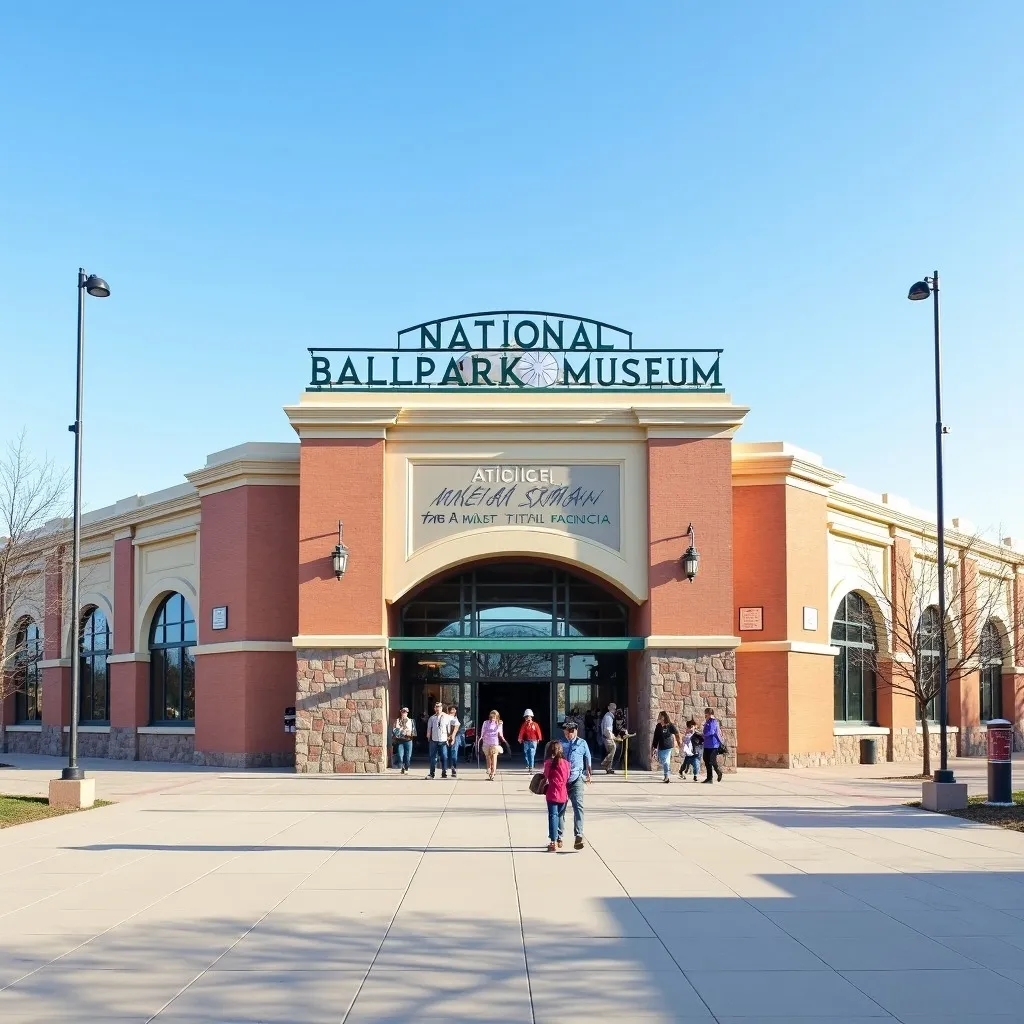
The National Ballpark Museum presents a distinctive perspective into America's baseball legacy. Through its collection of memorabilia and presentations, guests can discover the sport's development alongside social transformations. Iconic jerseys and uncommon photographs tell stories of icons and their influence on the game. As groups interact with interactive exhibits, they discover how baseball remains intertwined with American culture. What revelations might this museum unveil about the tomorrow of the sport?
The Affluent History of Baseball in America
Baseball, frequently known as America's national sport, has a colorful history that is woven into the social landscape of the nation. Taking shape in the mid-1800s, the sport swiftly gained traction, capturing the social patterns and distinctive identities of the period. The development of major professional leagues transformed baseball into a mainstay of American entertainment, with the National League forming in 1876 and the American League following in 1901.
Major events, such as the inclusion of baseball in 1947 with Jackie Robinson, represented significant cultural shifts, defying conventional norms and advancing civil rights. The game has also observed legendary figures, from Babe Ruth to Hank Aaron, whose impacts echo beyond the diamond. Historic ballparks have held countless memorable moments, fostering a communal experience for fans. Overall, baseball serves as a mirror of American history, encapsulating triumphs, struggles, and the lasting spirit of a nation united by its devotion for the game.
Iconic Baseball Collectibles You Can't Miss
While memories of celebrated matches and momentous occasions linger in the consciousness of fans, iconic baseball memorabilia serves as concrete bonds to the sport's rich heritage. The National Ballpark Museum houses an outstanding compilation, featuring items that reflect the essence of baseball's heritage. Visitors can wonder at antique jerseys sported by Hall of Famers, each thread sharing a story of triumph and perseverance. Autographed baseballs, maintained in glass cases, afford peeks into mutual bonds between players and fans, while uncommon pictures enshrine turning points in baseball history.
Among the standout pieces are victorious bands, symbolizing the peak of achievement, and period game tickets that transport visitors back to remarkable contests. Each artifact cultivates introspection and appreciation for the sport's evolution. This carefully assembled collection not only spotlights the sport's watershed moments but also conjures sentimental yearnings, bringing to mind enjoyers of the abiding heritage of America's pastime.
Discover the Legends: How the Museum Honors Baseball Icons
Homage to baseball legends saturates the atmosphere of the National Ballpark Museum, where guests are encouraged to explore the lives and achievements of the sport's most legendary figures. The museum features engaging exhibits that spotlight the careers of baseball greats, providing artifacts, photographs, and interactive displays that bring their stories to life. Each section is meticulously curated to reflect the unique contributions of players such as Babe Ruth, Jackie Robinson, and Hank Aaron, showcasing their impact both on and off the field.
The museum also organizes special events and guest speakers, granting fans opportunities to listen to firsthand accounts and insights from former players and historians. This commitment to honoring baseball icons creates a deep connection between visitors and the legends who developed the game. Through its immersive environment, the National Ballpark Museum assures that the legacy of these players motivates future generations of baseball enthusiasts.
Discover How Baseball Stadiums Have Evolved
As baseball has progressed through the decades, its stadiums have changed considerably to satisfy the changing needs of fans and players alike. Early ballparks were often simple, with wooden bleachers and minimal amenities, designed primarily for the game itself. However, as the sport gained popularity, stadiums began to add more features, such as better seating, concessions, and restrooms, enhancing the overall experience.
The introduction of cutting-edge technology led to remarkable progress, including electronic scoreboards and upgraded sound systems. Structurally, stadiums progressed from the symmetrical, traditional designs to increasingly bespoke, audience-centered arrangements, producing engaging atmospheres that embody local heritage. The proliferation of corporate partnerships also impacted construction, with VIP suites and elite accommodations turning into the norm. Today, stadiums function as adaptable facilities, accommodating entertainment and functions outside of baseball, underscoring their flexibility and importance in American society. This transformation reveals not merely a activity, but a dynamic community center.
Family-Oriented-Pastimes at the National Ballpark Museum
The National Ballpark Museum delivers a range of family-suitable activities that honor the rich history of baseball and its iconic stadiums. Families can enjoy interactive exhibits that encourage children to engage with the sport's history through hands-on displays. A exploratory hunt throughout the museum propels young visitors to search artifacts and learn about legendary players and historic moments.
Furthermore, the museum hosts training programs where children can refine their baseball skills, gain knowledge about the science of the game, and take part in storytelling sessions about famous teams and their achievements. Special events, such as family days, often include guest speakers from the baseball community, adding a personal touch to the experience. With its lively environment and assorted activities, the National Ballpark Museum promotes a love for baseball, making it an ideal place for families looking to relate over America's favorite pastime.
Schedule Your Trip to the National Ballpark Museum
Curious about how to get the most from a tour to the National Ballpark Museum? Guests are advised to review the museum's official website for present hours and admission fees before organizing their trip. Located in Denver, Colorado, the museum is conveniently accessible via public transportation and offers nearby parking options. It is advisable to set aside at least two hours to tour the extensive exhibits, which feature baseball history and memorabilia.
For visitors looking for a curated visit, the museum offers educational guided tours that investigate further into the pieces. Families can appreciate interactive displays, making it a remarkable experience for all ages. Additionally, visitors should reflect on timing their visit to match with special events or new collections for an better experience. Finally, the museum shop offers special mementos for admirers to take home, ensuring that the visit creates a lasting impression.
Often Posed Questions
What Are the Museum's Operating Hours?
The museum is open from 10 AM to 5 PM, Tuesday through Sunday. It stays shut on Mondays, giving staff to preserve displays and get ready for the next day's visitors enthusiastic to experience its attractions.
Is There an Admission Fee for the Museum?
The museum necessitates a modest admission fee for entry. Patrons can explore a rich collection of historical exhibits and artifacts, bolstering their insight of the sport's impact on American culture and history.
Are organized tours available at the Museum?
Guided tours are available at the museum, offering guests an in-depth encounter. Knowledgeable guides share observations and anecdotes about the collections, deepening the grasp of National Ballpark Museum weather baseball history and its cultural relevance.
May I Obtain Gifts at the Museum?
You can buy souvenirs at the museum. Guests will find a selection of souvenirs, such as wearables, collectibles, and themed goods, letting them to get a piece of the visit from their time there.
Can You Access the Museum with a Mobility Device?
The museum ensures wheelchair accessibility, confirming that all patrons can navigate its presentations easily. Ramps and marked pathways are available, supporting inclusivity and enabling everyone to appreciate the diverse historical collection presented within its areas.